Learn / Why olive oil?
Understand the bottle.
Short answers first. Plain-language context after. No miracle claims and no need to become an expert.
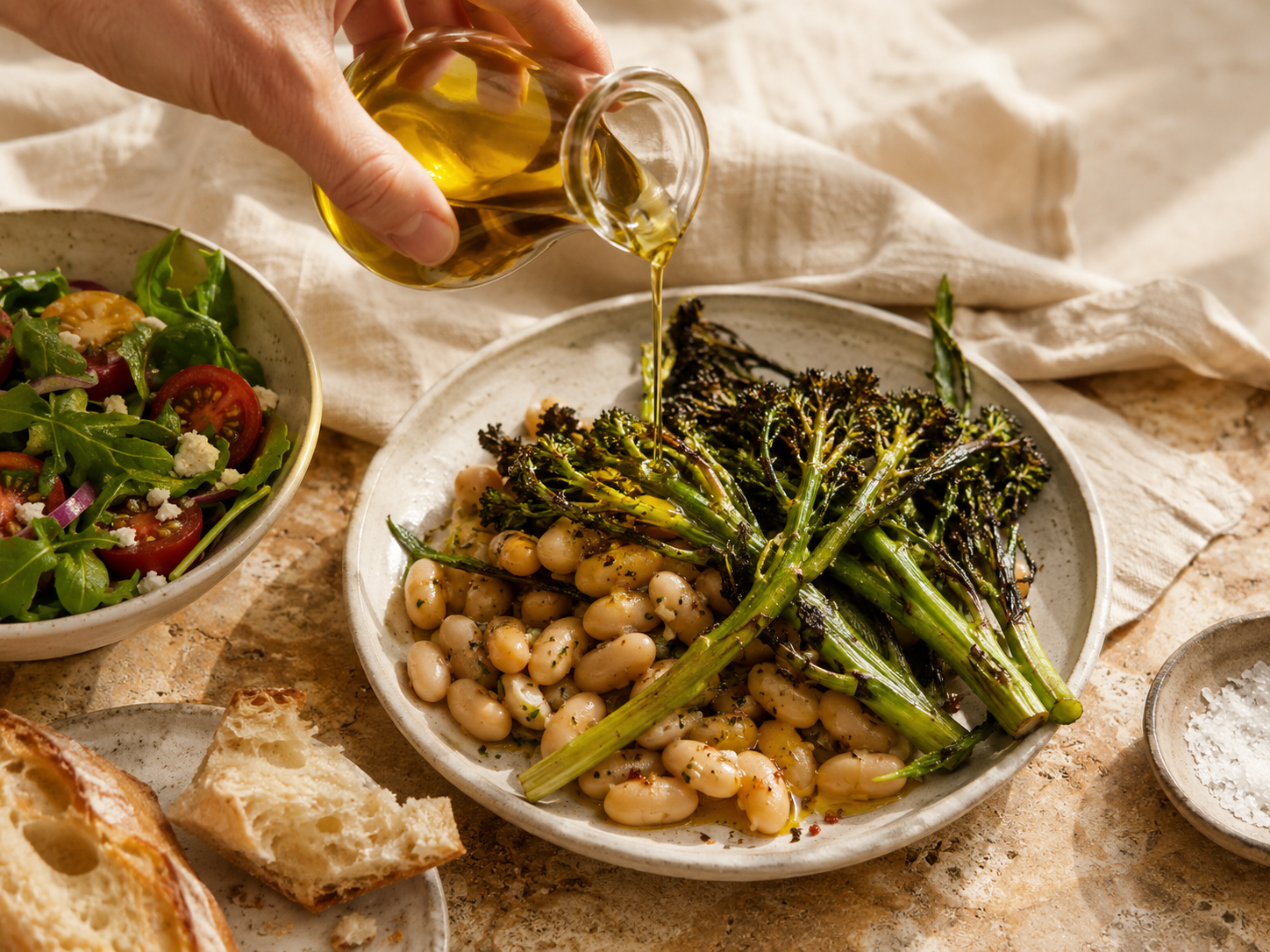
A clear place to begin
Good olive oil is easier to enjoy when you understand what you are tasting.
Learn how EVOO is made and graded, what bitterness and pepperiness mean, how to store and use it, and where it belongs within the wider Mediterranean way of eating.
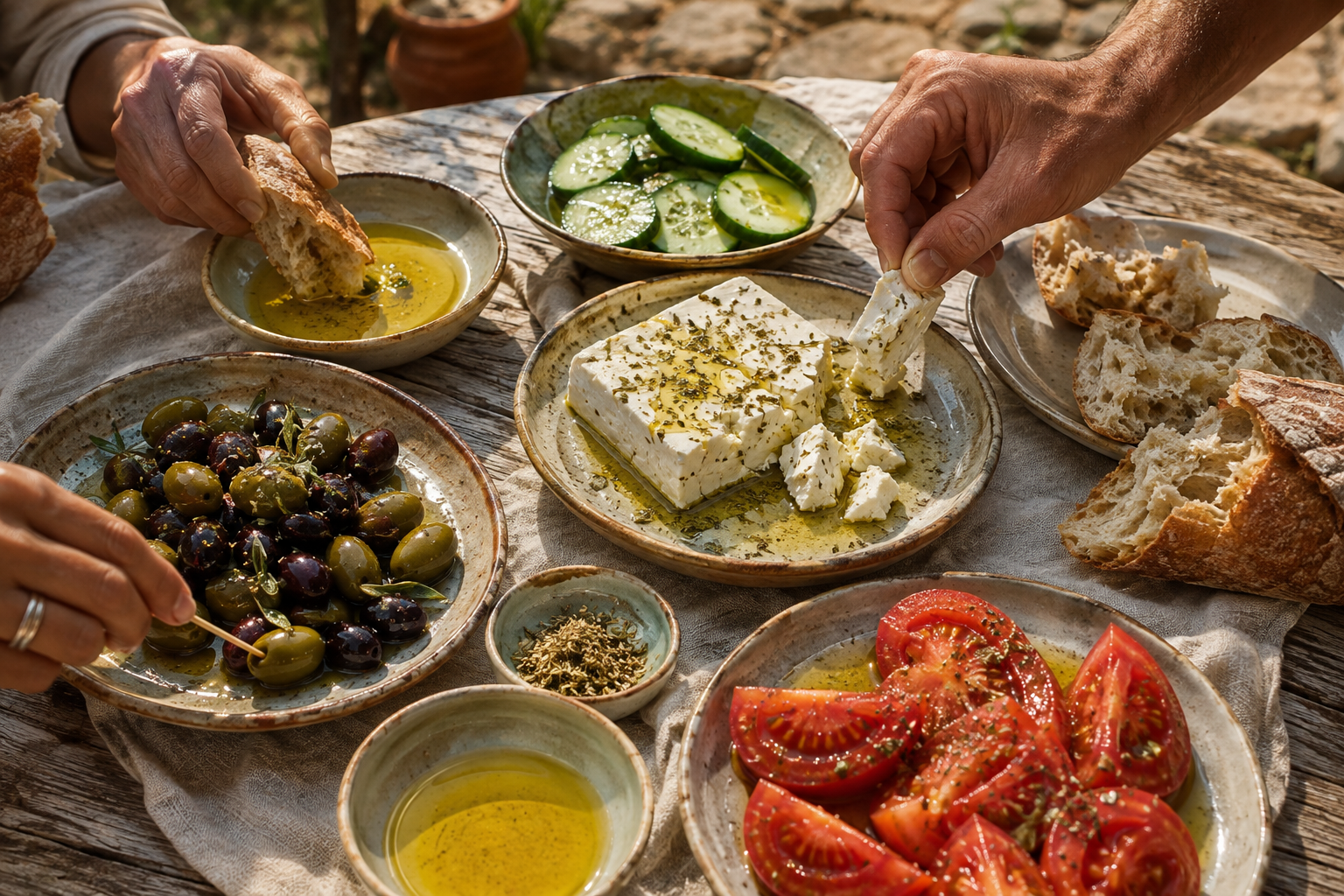
Practical olive-oil guide
What is extra virgin olive oil?
Extra virgin olive oil is virgin olive oil produced by mechanical or physical means and meeting defined chemical and sensory standards, without refining.
Read the guide →Practical olive-oil guide
Olive oil vs extra virgin olive oil
Extra virgin olive oil is unrefined virgin olive oil meeting the highest grade standards; bottles labelled simply ‘olive oil’ are commonly blends of refined olive oil and virgin olive oil.
Read the guide →Practical olive-oil guide
What does olive oil acidity mean?
Free acidity is a laboratory measurement of free fatty acids in olive oil; it is not the sharp or sour taste you experience in your mouth.
Read the guide →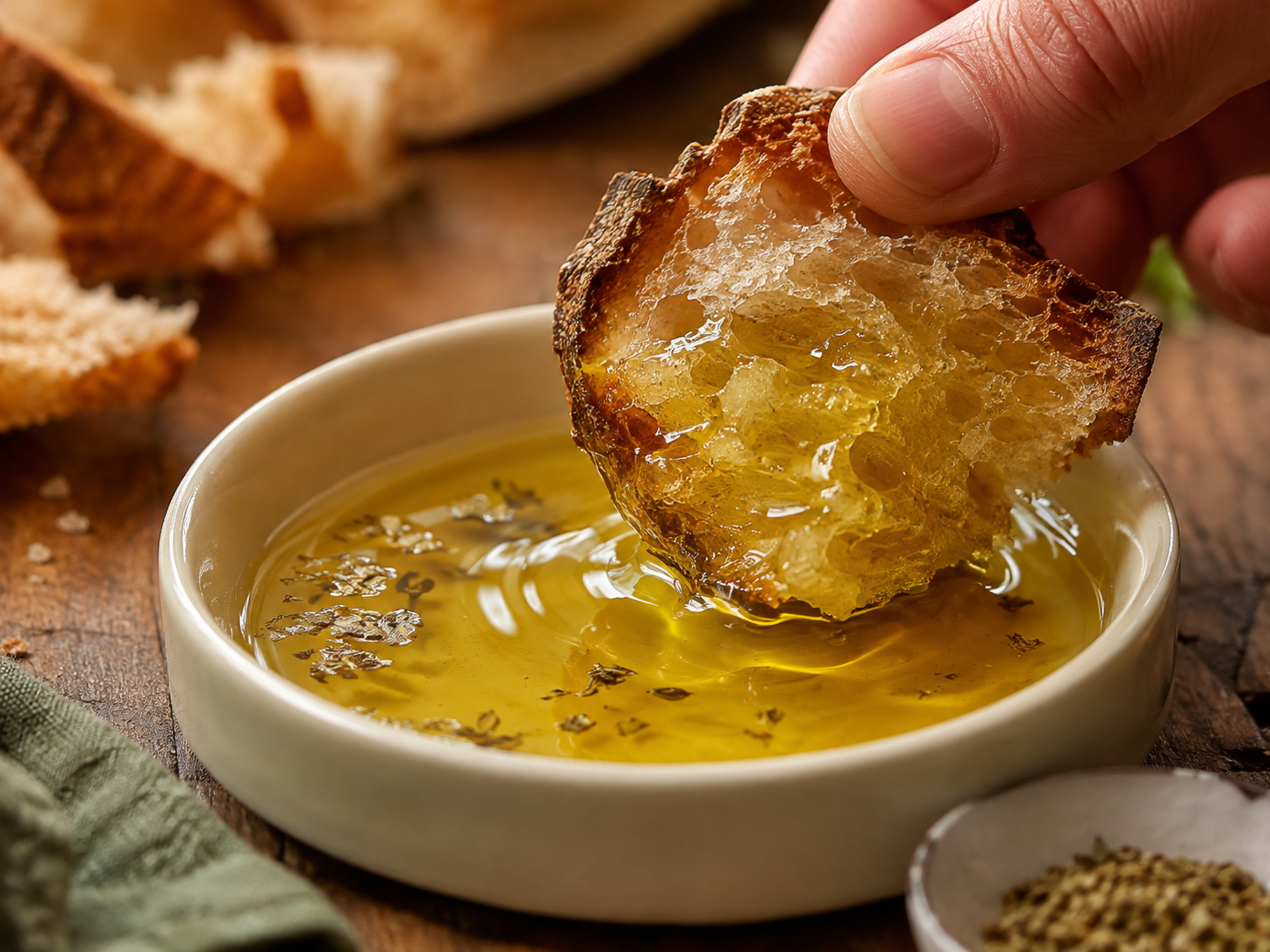
Practical olive-oil guide
How to taste extra virgin olive oil
Pour a little oil into a small cup, warm and swirl it, smell it, then sip and swallow while noticing fruitiness, bitterness and pepperiness.
Read the guide →Practical olive-oil guide
Why does good olive oil taste peppery?
A clean peppery or prickling sensation, often felt toward the back of the throat, is called pungency and can be a positive characteristic of extra virgin olive oil.
Read the guide →Practical olive-oil guide
What is Koroneiki olive oil?
Koroneiki is a Greek olive cultivar widely used for olive-oil production and known for oils that can be aromatic, green, bitter and peppery.
Read the guide →Practical olive-oil guide
How to store olive oil
Protect olive oil from light, heat and air: keep it tightly closed in a cool, dark place and use it while it still tastes fresh.
Read the guide →Practical olive-oil guide
Can you cook with extra virgin olive oil?
Yes. Extra virgin olive oil can be used for sautéing, roasting, baking and other everyday cooking, as well as dressings and finishing.
Read the guide →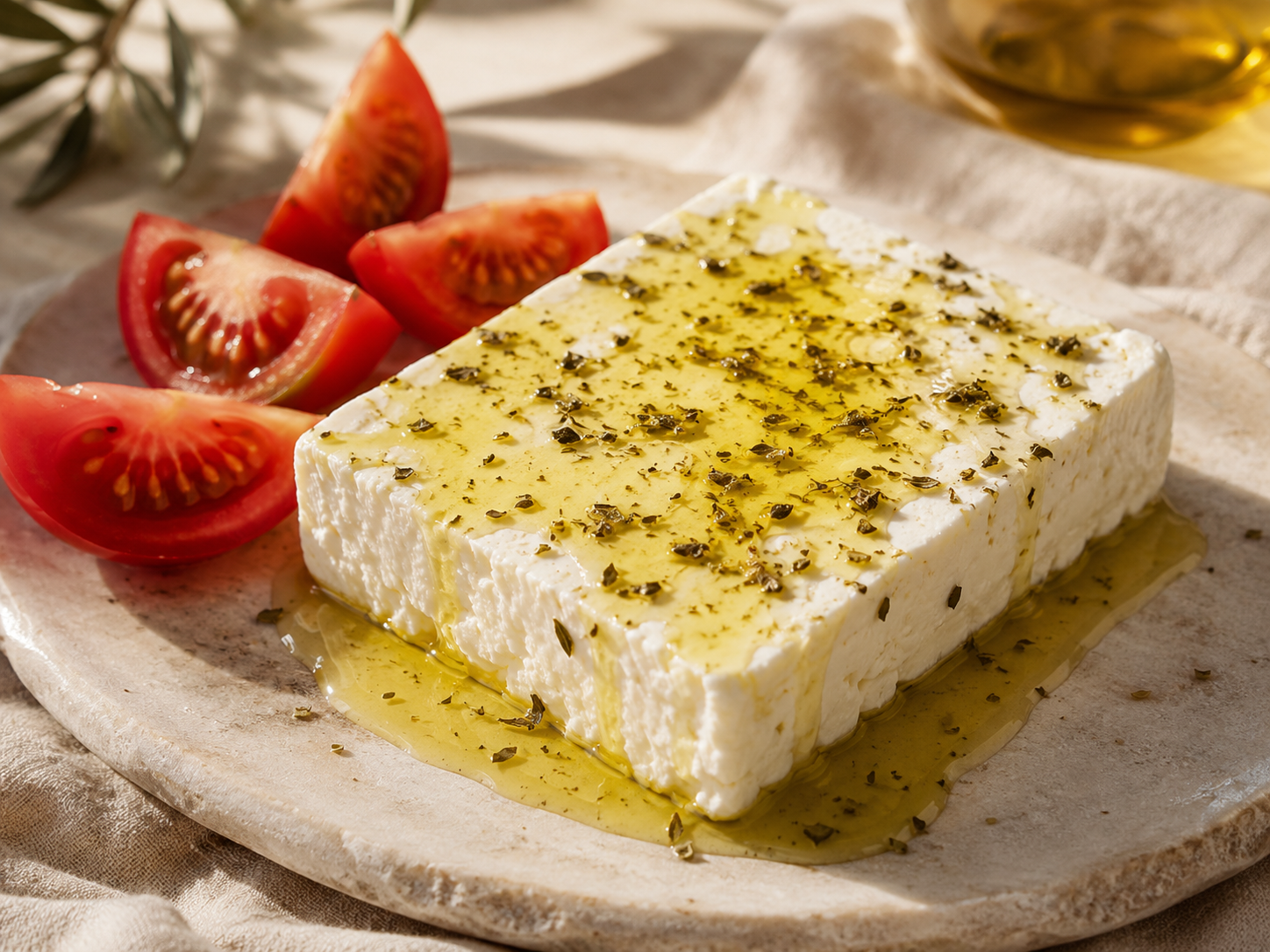
Practical olive-oil guide
Why enjoy extra virgin olive oil uncooked?
Using EVOO uncooked or as a finishing oil keeps its aroma, fruitiness, bitterness and pepperiness especially easy to notice.
Read the guide →Practical olive-oil guide
Olive oil and the Mediterranean diet
Olive oil is a characteristic fat source within a broader Mediterranean pattern built around vegetables, fruit, legumes, whole grains, nuts, fish and shared meals.
Read the guide →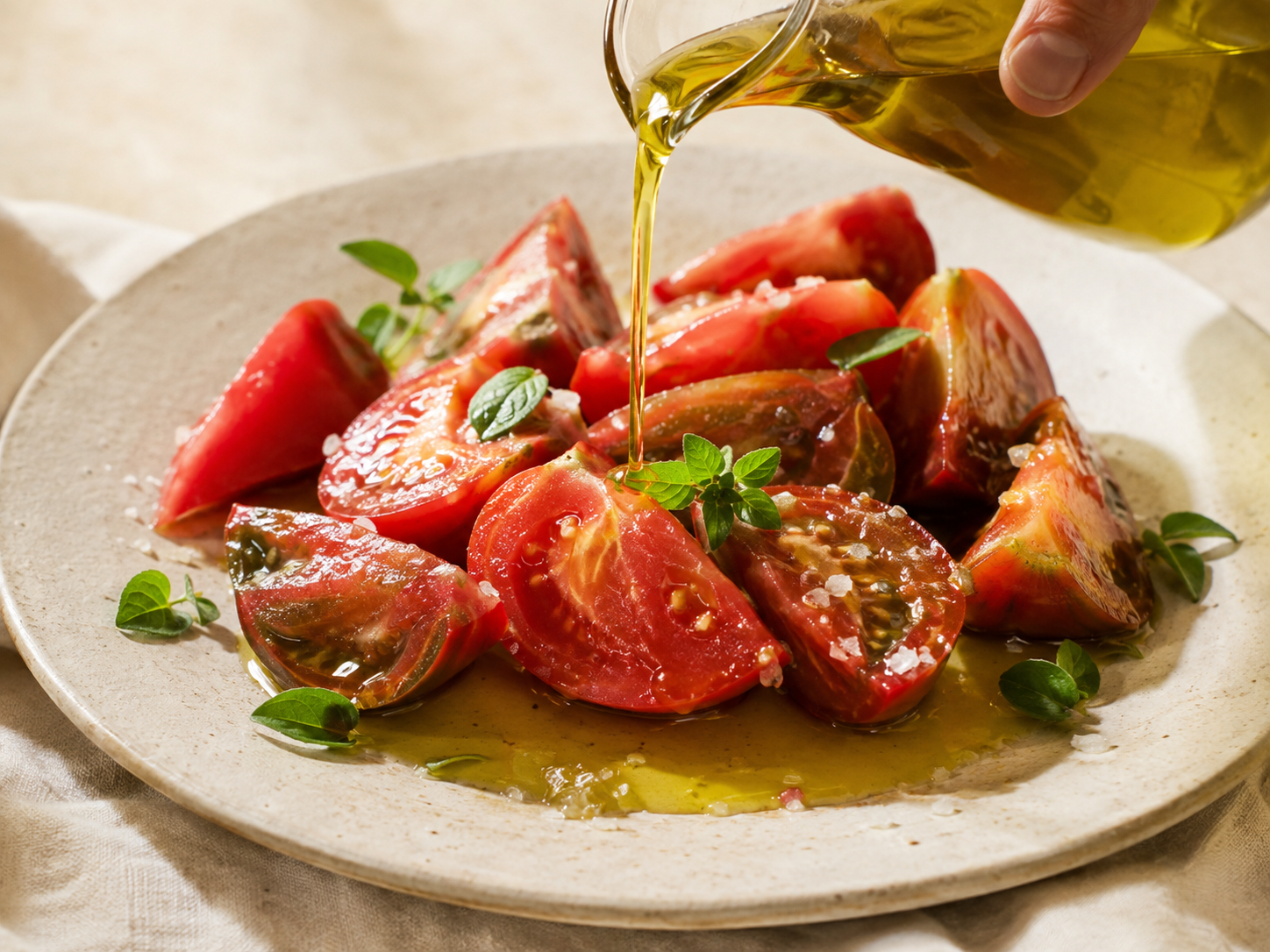
Practical olive-oil guide
Olive oil and monounsaturated fats
Olive oil is rich in monounsaturated fat, particularly oleic acid, and can form part of balanced eating when it replaces fats higher in saturated fat.
Read the guide →Practical olive-oil guide
What are olive oil polyphenols?
Polyphenols are naturally occurring plant compounds in extra virgin olive oil that contribute to flavour and help protect the oil itself from oxidation.
Read the guide →Further reading
Go beyond the guide.
A carefully labelled shelf of books, olive-oil standards and dietary guidance—so you can follow the source and make up your own mind.
Explore the reading shelf →